What Is the Main Cause of Termites?
If you have ever seen lines of mud running across your wall, dusty powder near wood or tiny winged bugs around your windows, there’s a good chance that you have termites. These little things might seem innocent, but they can quickly do their way through wood, furniture and even the foundation of your home. Most homeowners opt for a Termite Control Service in Ahmedabad to prevent expensive damage, but before we discuss the solutions in detail, you need to understand why termites enter our homes.
So, what attracts termites to your home, and how do they find their way in?
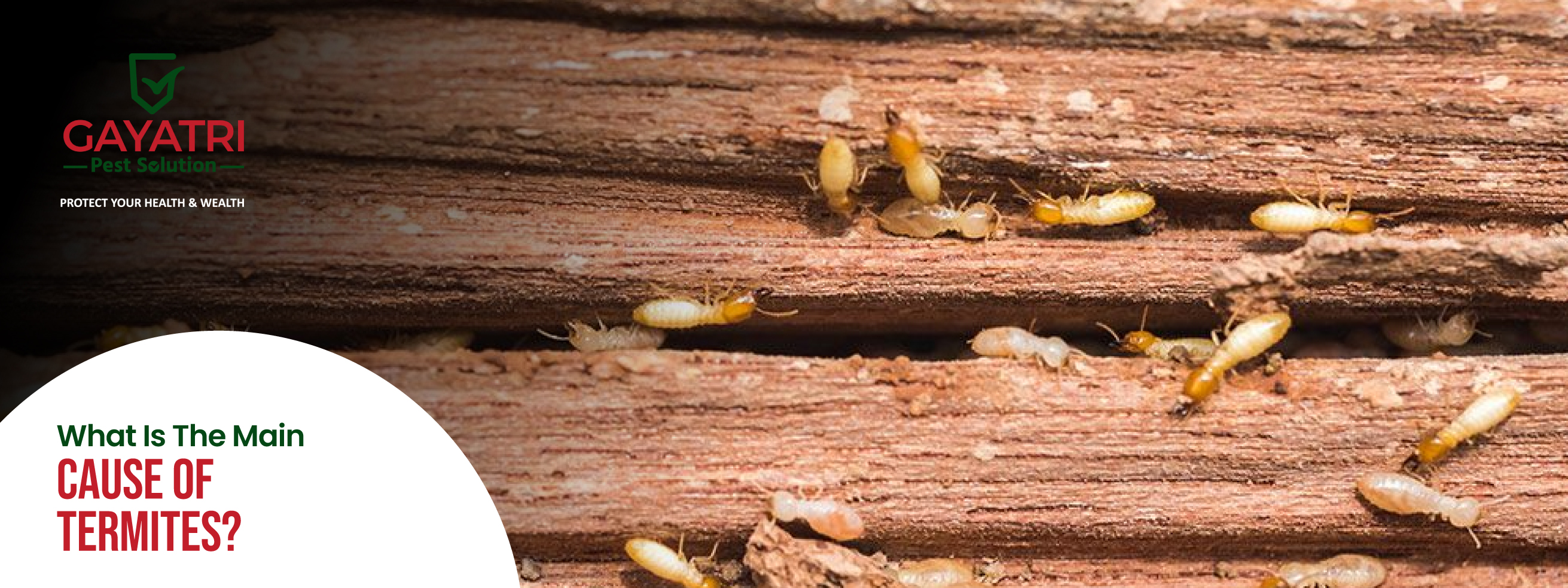
Understanding What Attracts Termites
Termites don’t suddenly appear. They survive by consuming cellulose, an organic fibre that makes up wood, paper, cardboard and fabric, and also dead plant material. They grow well when they have food, water, and habitat provided by their environment. Termites are at the top of the list, and the general cause for them is a hodgepodge of things that will sensitise your environment, including house habits, unnoticed structural gaps that let them in for free.
Let’s dissect the leading factors one by one.
1. Excess Moisture Around and Inside the House
Termites are attracted by moisture. These bugs don’t do well in dry conditions; they require moisture to flourish and create colonies.
These are some sources of moisture that attract termites:
- Leaking plumbing lines
- Poor drainage around the building
- Damp basements or bathrooms
- Pooling water around wood doors or windows
- Cracks in the walls that soak up rainwater
If the ground around your home is consistently wet, or if indoor walls stay damp, termites have a perfect place to thrive. This is why infestations also repeatedly occur in homes with plumbing problems or inadequate ventilation.
2. Wood in Contact With Soil
When wooden frames make contact with the earth directly, usually termites are able to reach the wood immediately without being detected. The most damaging species, subterranean termites, live in layers of soil and move up to wood for food.
Examples include:
- Wooden doors resting on the ground level.
- Unprotected wooden beams
- Furniture for use in the garden directly on the ground
- Firewood stored against outside walls
As soil is their natural habitat, this touch is a way into your home.
3. Cracks and Gaps in Walls or Foundation
Even the tiniest of cracks can serve as entry points. To begin with, termites are small, quiet and extremely well-organised. They can enter through:
- Foundation gaps
- Wall cracks
- Spaces around pipes
- Gaps under tiles or flooring
- Broken window or door frames
Once they gain entry, they begin building tunnels and move quickly.
4. Accumulation of Wood, Paper, and Cardboard
Even termite awareness comes too late for many households that unintentionally construct hiding places that are friendly for termites.
Items that attract termites:
- Old newspapers
- Cardboard boxes
- Books stored in damp rooms
- Wooden decor items
- Pieces of broken or unused furniture
These pests can easily sense cellulose and start chomping away at hard-to-reach areas where a human rarely peeks.
5. Humid Climate Conditions
Locations with high humidity are natural breeding grounds for termites. Ahmadabad is hot and dry in the summer, but is moist during the monsoon season. More humid air helps termites reproduce faster.
That is one of the reasons many homes have infestations immediately after the rainy season.
6. Landscaping That Brings Termites Closer
Foliage looks pretty in a yard, but is deadly when left unchecked.
Landscaping Practices That Encourage Termite Infestation:
- Mulch beds near exterior walls
- Trees that have been planted too near the house
- Leftover stumps or roots of dead trees
- Flowerpots that constantly release moisture
Dead wood is one of the biggest attractants, and termites can move from garden to building slowly.
7. Poor Ventilation Indoors
Moisture gets trapped in areas of poor air flow, such as kitchens, bathrooms, laundry rooms and basements. It creates warm, moist pockets where termites thrive.
Proper ventilation will help walls dry faster and make them less susceptible to infestation.
8. Previous Infestation, Not Treated Properly
The reason for termites returning after treatment is that the treatment was incomplete. Homemade sprays kill only the termites you can see, not the colony hiding deep inside.
When the queen goes free, though, termites return within weeks.
Professional treatment ensures:
- Soil barrier protection
- Colony removal
- Chemical and gel application
- Long-term monitoring
This is where a professional service is so important.
How to Prevent Termites Before They Spread
The first step is getting to the causes. The next step is to keep them out.
Simple steps you can follow:
- Repair all plumbing and drain leaks
- Dry and well-polish your wooden furniture (For sure, you know this already)
- Maintain proper ventilation
- Keep paper and cardboard in dry cases
- Keep firewood and garden waste away from the wall.
- Seal cracks and broken tiles
- Conduct routine termite inspections
Why Professional Termite Treatment Matters
Termites work 24/7 through the day and night, so you never know what they are doing. Visible evidence of these pests might take several years to become apparent, and by that time, the timber could already be seriously compromised. Pest control and general services provide ways to reach far down through walls, flooring, and even soil, exterminating the very source.
It will provide long-term protection that helps avoid re-infestations.
Final Thoughts
Termite infestation is primarily attributed to a combination of moisture, cellulose-rich material and structural openings, as well as climatic conditions. Knowing these causes and being vigilant can help to ensure that your home won't be damaged before it is too late. And if you’ve already noticed some red flags, it’s best to call for termite control Service in Ahmedabad, at Gayatri Pest Solutions, for an elaborate inspection and comprehensive protection.